Tool
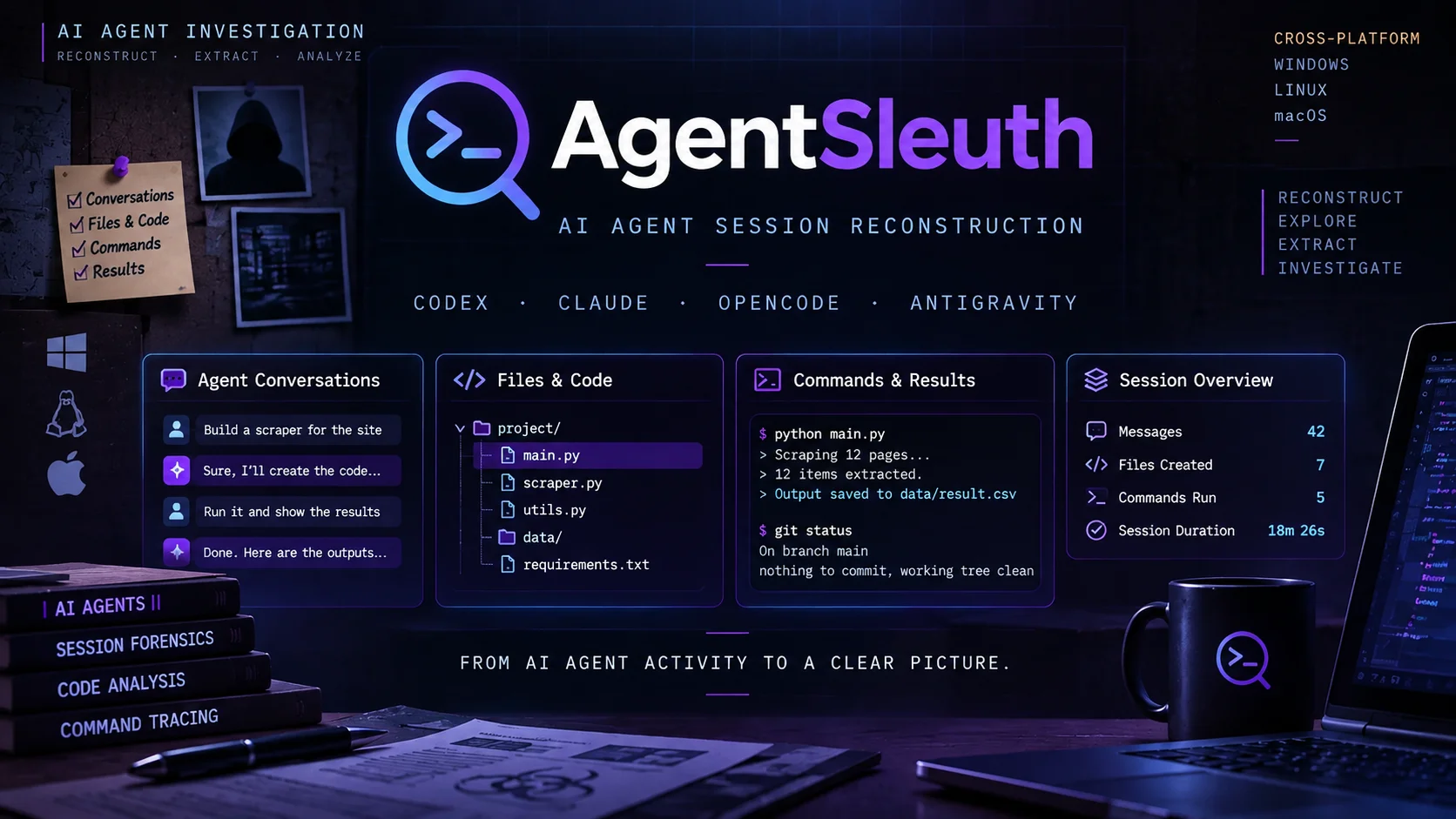
AgentSleuth
A forensic analysis tool for AI agent artifacts, including session logs, conversation histories, tool executions, reasoning traces, and metadata from AI agents such as Codex and Claude.
Showing — posts.Clear filter
A forensic analysis tool for AI agent artifacts, including session logs, conversation histories, tool executions, reasoning traces, and metadata from AI agents such as Codex and Claude.
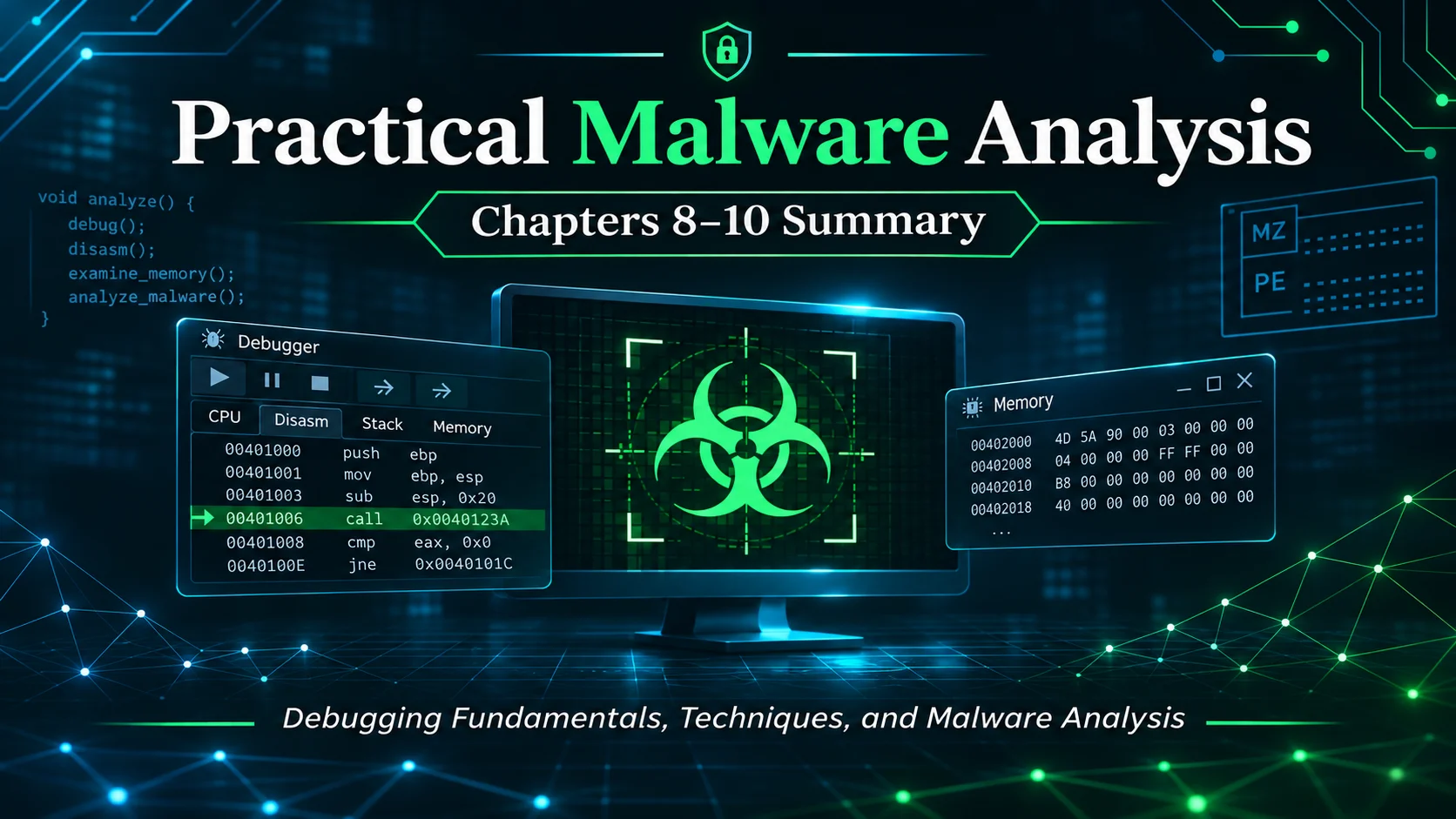
Chapters 8–10 of Practical Malware Analysis (PMA), covering debugging fundamentals, techniques, and hands-on malware analysis using debuggers.
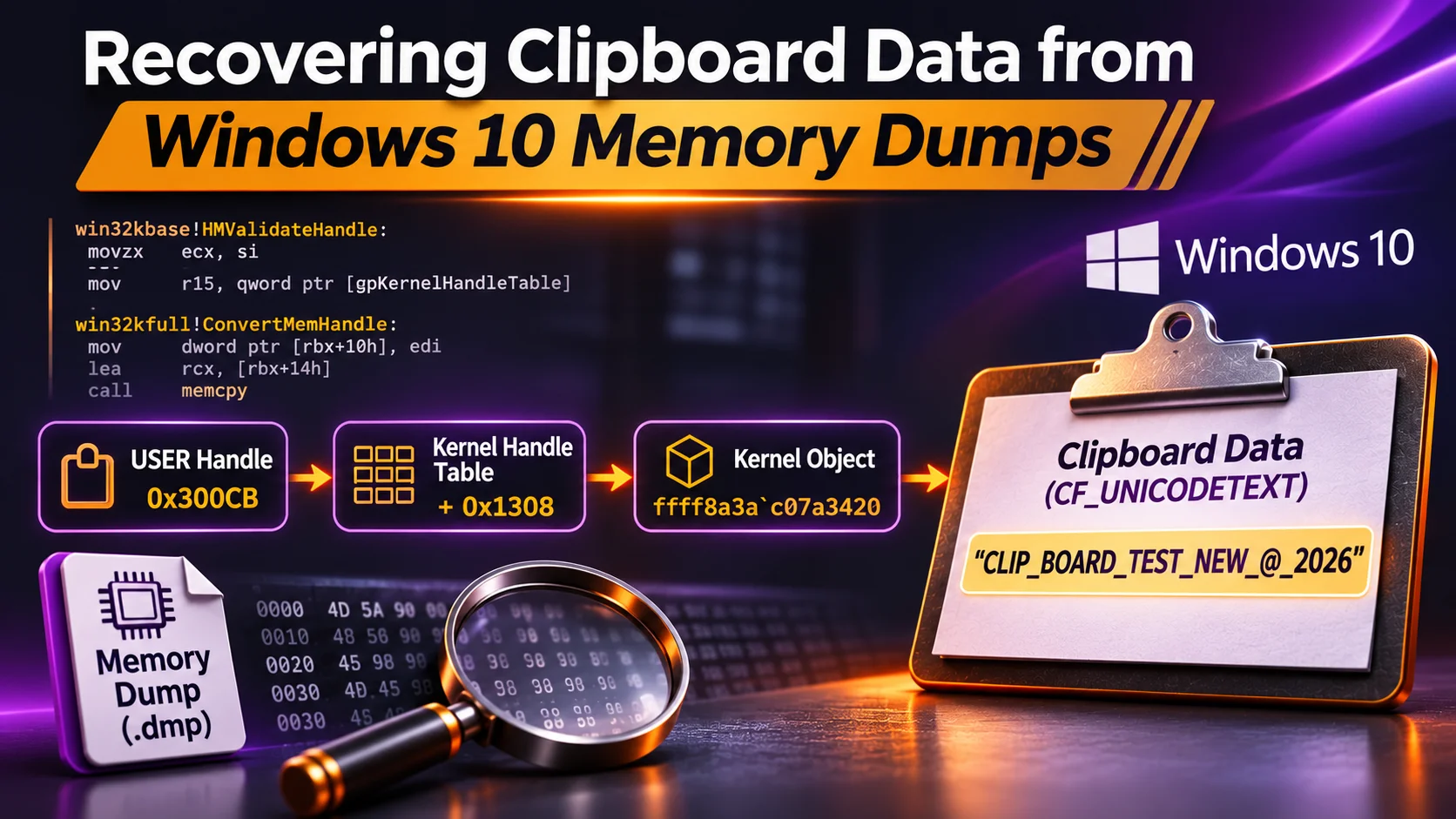
How can we recover clipboard data from a Windows 10 memory dump
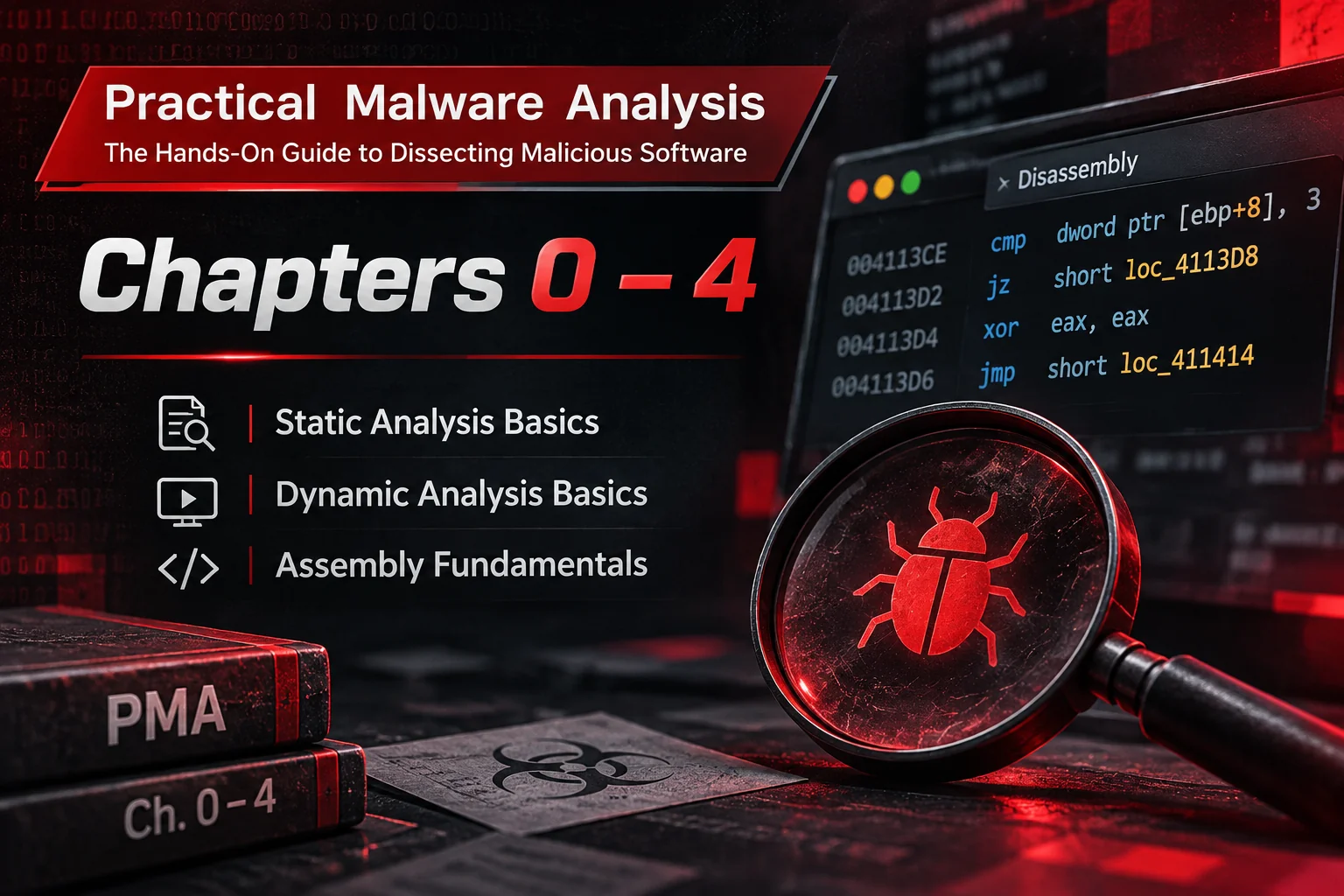
Chapters 0–4 of *Practical Malware Analysis (PMA)*. Along the way, we covered the basics of static and dynamic analysis, as well as some fundamental assembly instructions.
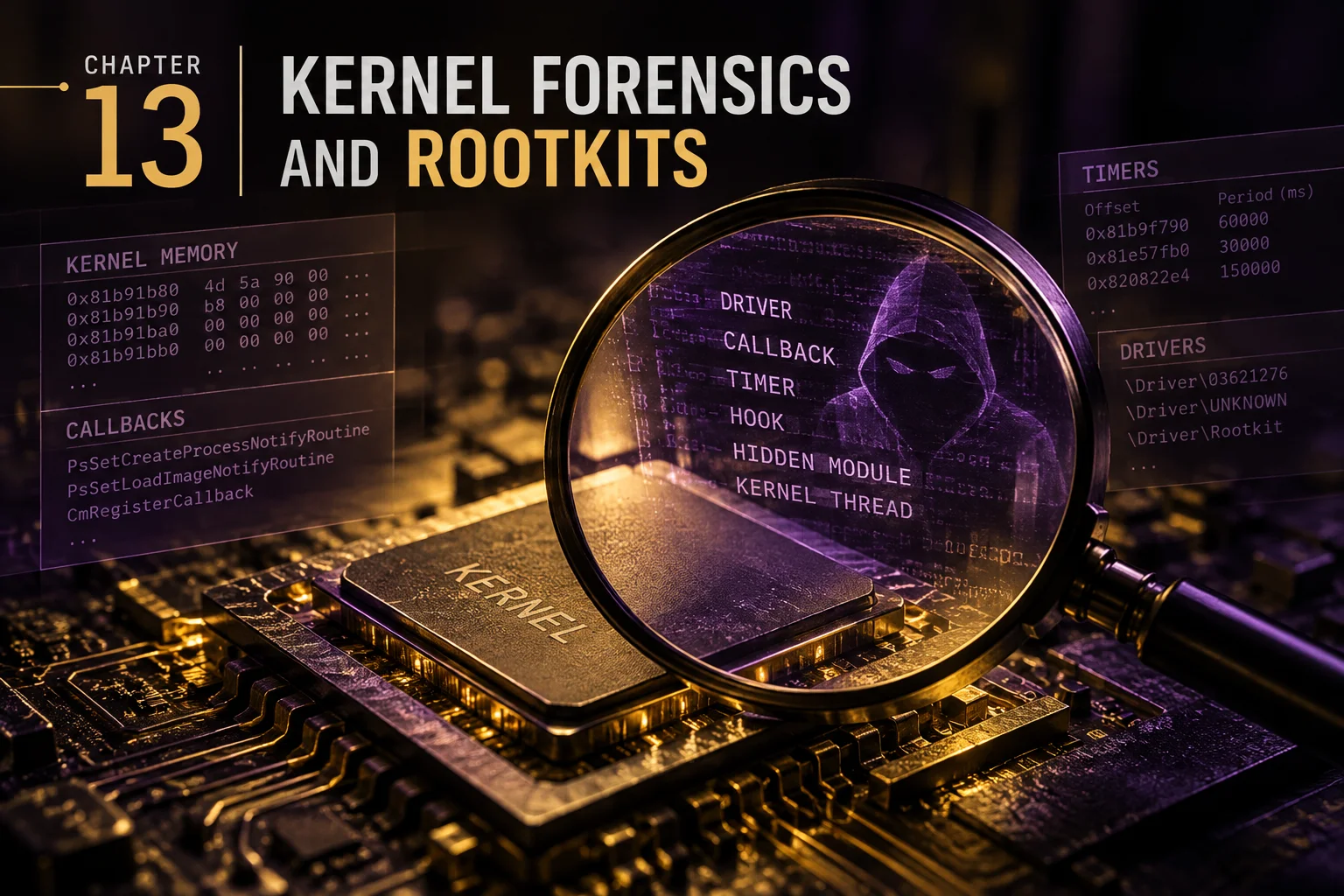
Explores Windows kernel forensics and rootkit detection using Volatility, covering hidden drivers, IRP and SSDT hooking, device trees, kernel callbacks, timers, and memory-based malware analysis.
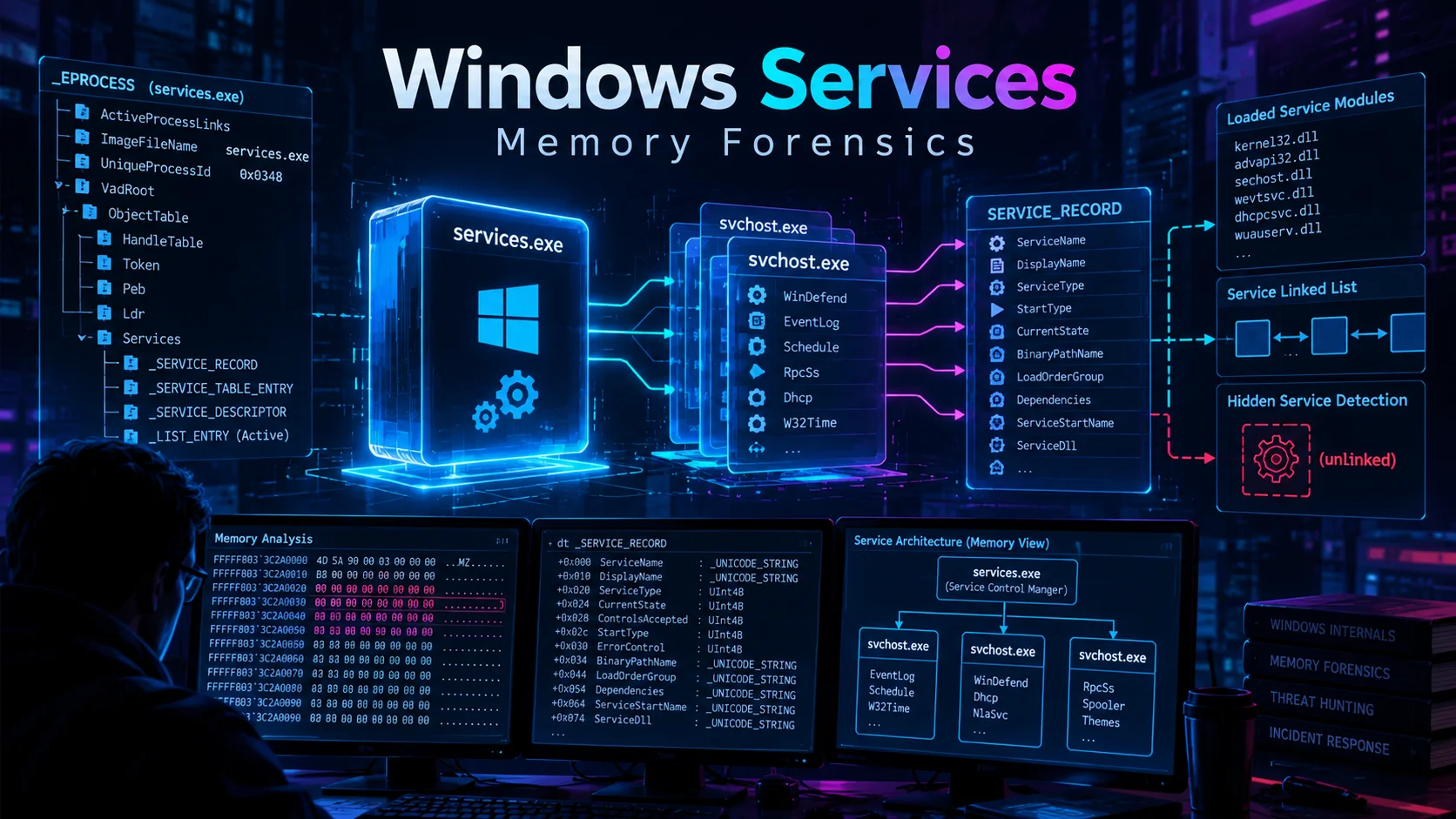
Explores Windows service forensics using Volatility, covering the SCM, service persistence, registry artifacts, service hijacking, and hidden service detection.
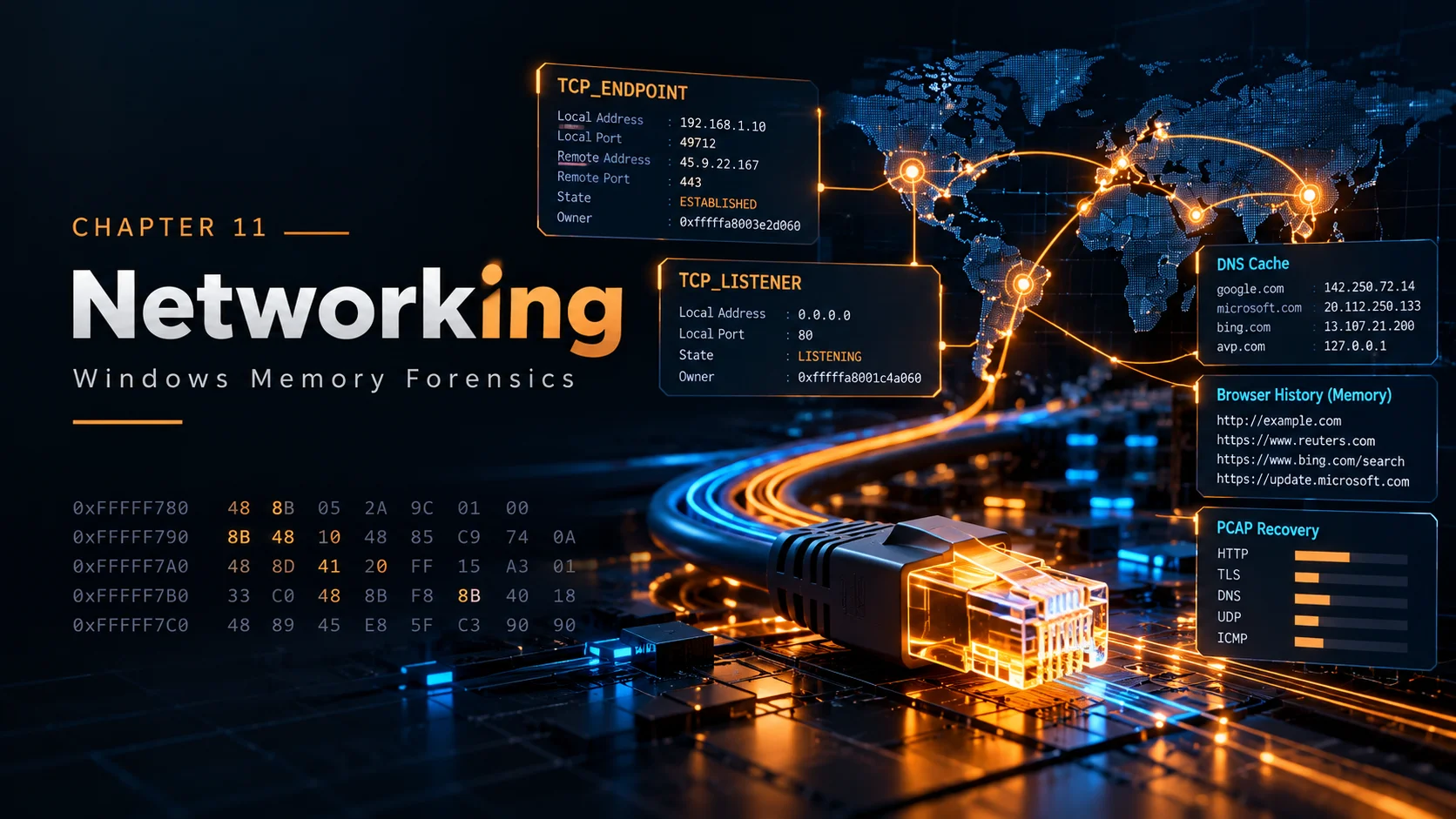
Explores Windows network forensics using Volatility, covering TCP/IP structures, network connections, hidden activity, DNS cache, browser history and packet recovery
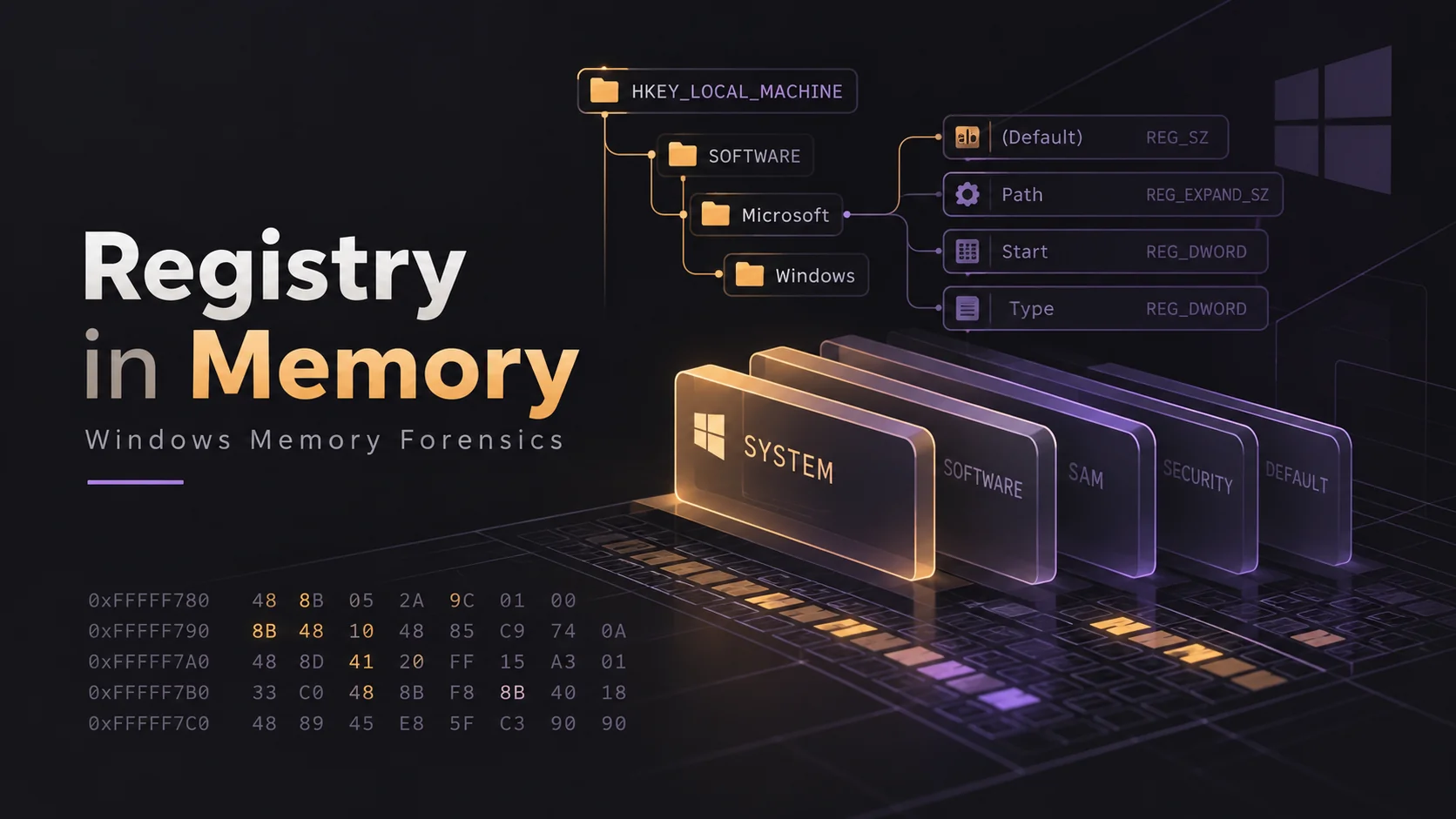
Explores Windows Registry forensics in memory, covering registry hives, Volatility plugins, UserAssist, Shimcache, ShellBags, password hashes, and LSA secrets for malware detection and activity reconstruction.
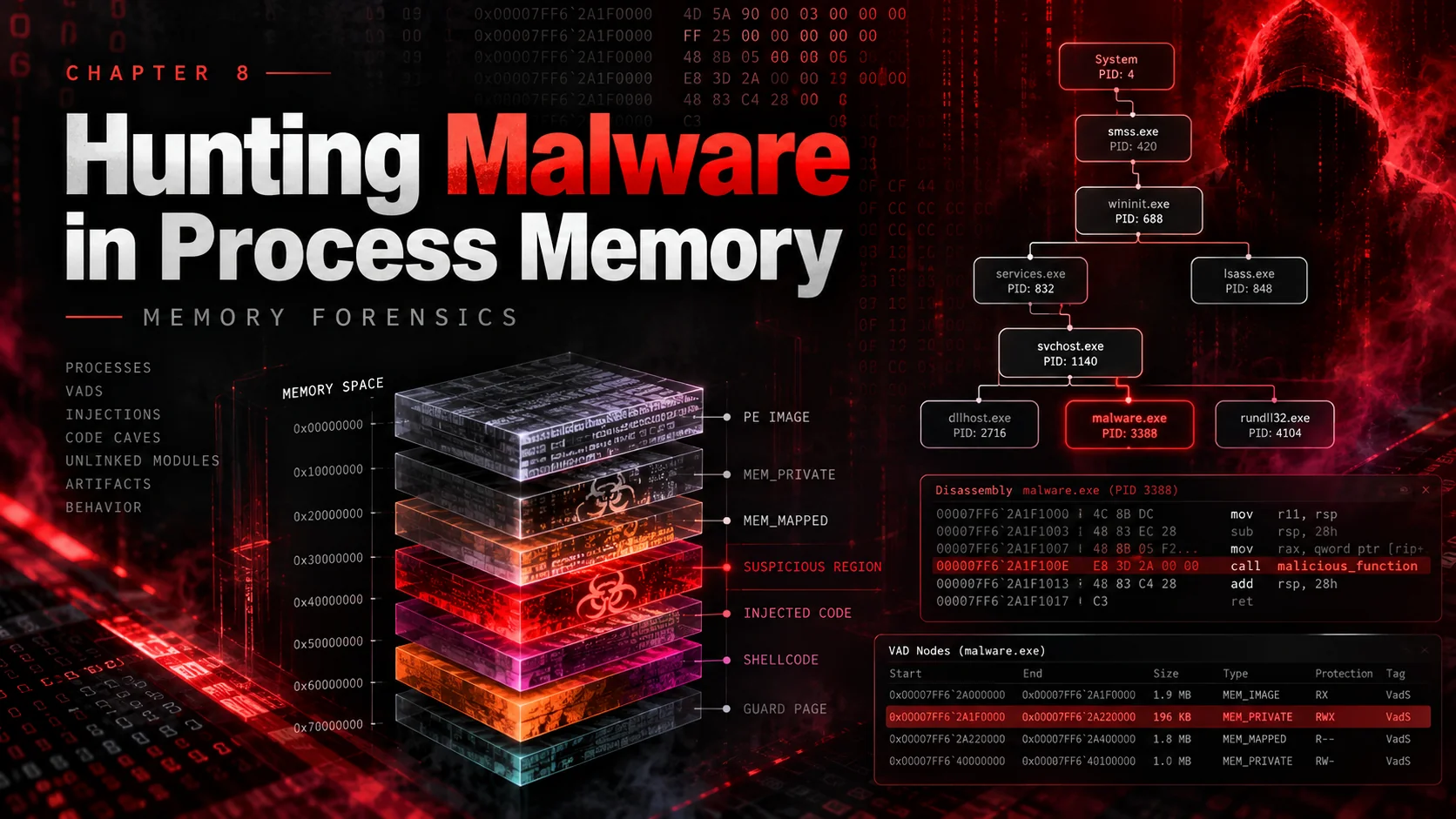
Explores Windows malware detection in process memory, covering PEB artifacts, suspicious DLLs, code injection, process hollowing and Volatility techniques for identifying hidden malware activity.
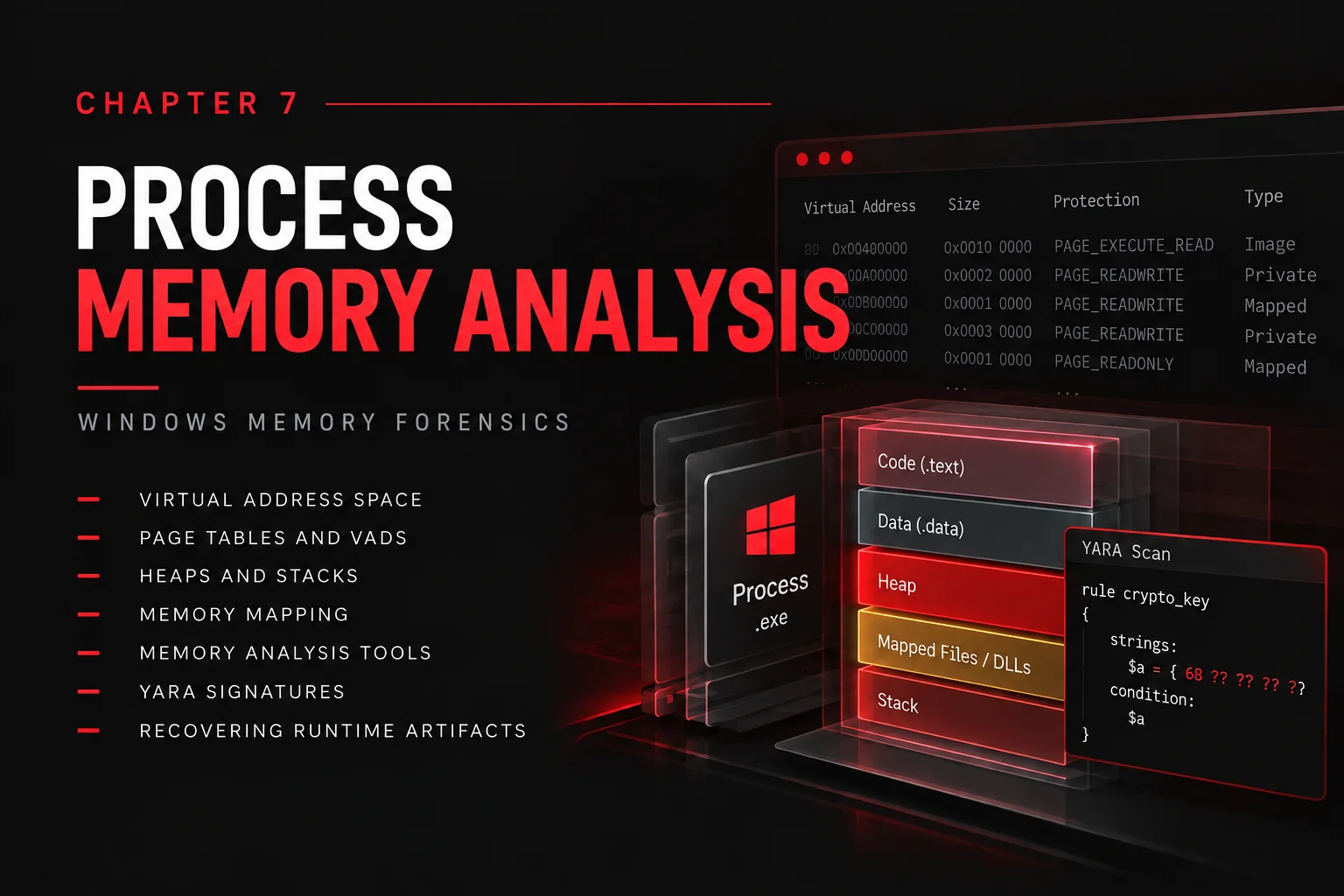
explores Windows process memory internals, including virtual address spaces, page tables, VADs, heaps, YARA scanning, and recovery of runtime artifacts such as passwords and encryption keys.
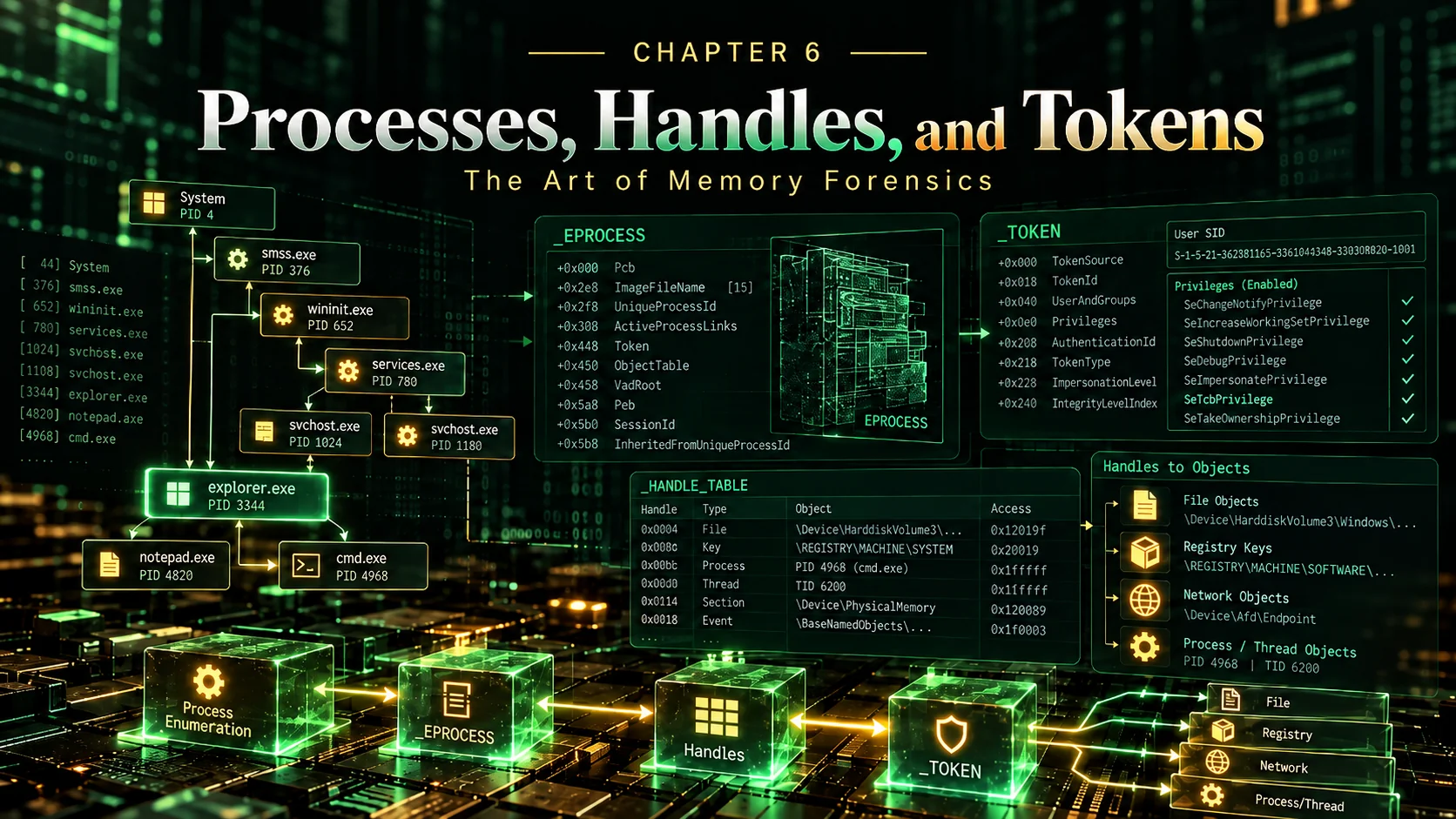
Brief notes summarizing Chapter 6 of The Art of Memory Forensics, focusing on process enumeration, tokens, SIDs, privileges, handles, DKOM, and process behavior analysis.
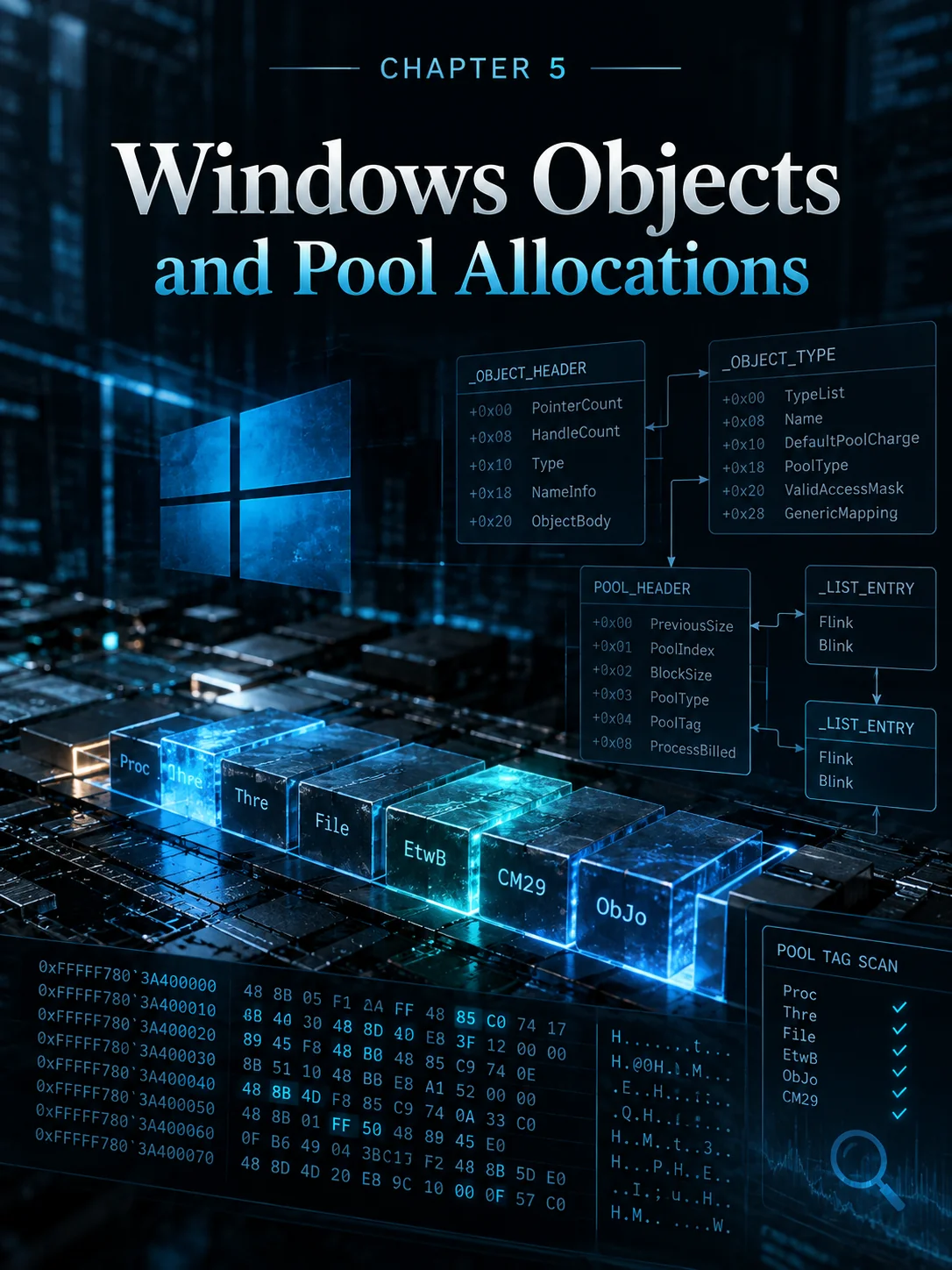
Brief notes summarizing Chapter 5 of (AMF), focusing on Windows objects, kernel pool allocations, pool tags, pool-scanning techniques, Big Page Pool analysis, and alternative methods for locating kernel objects.
Brief notes summarizing Chapter 4 of The Art of Memory Forensics, focusing on memory acquisition methods, dump formats, virtual machine memory, memory conversion, and volatile evidence stored on disk.
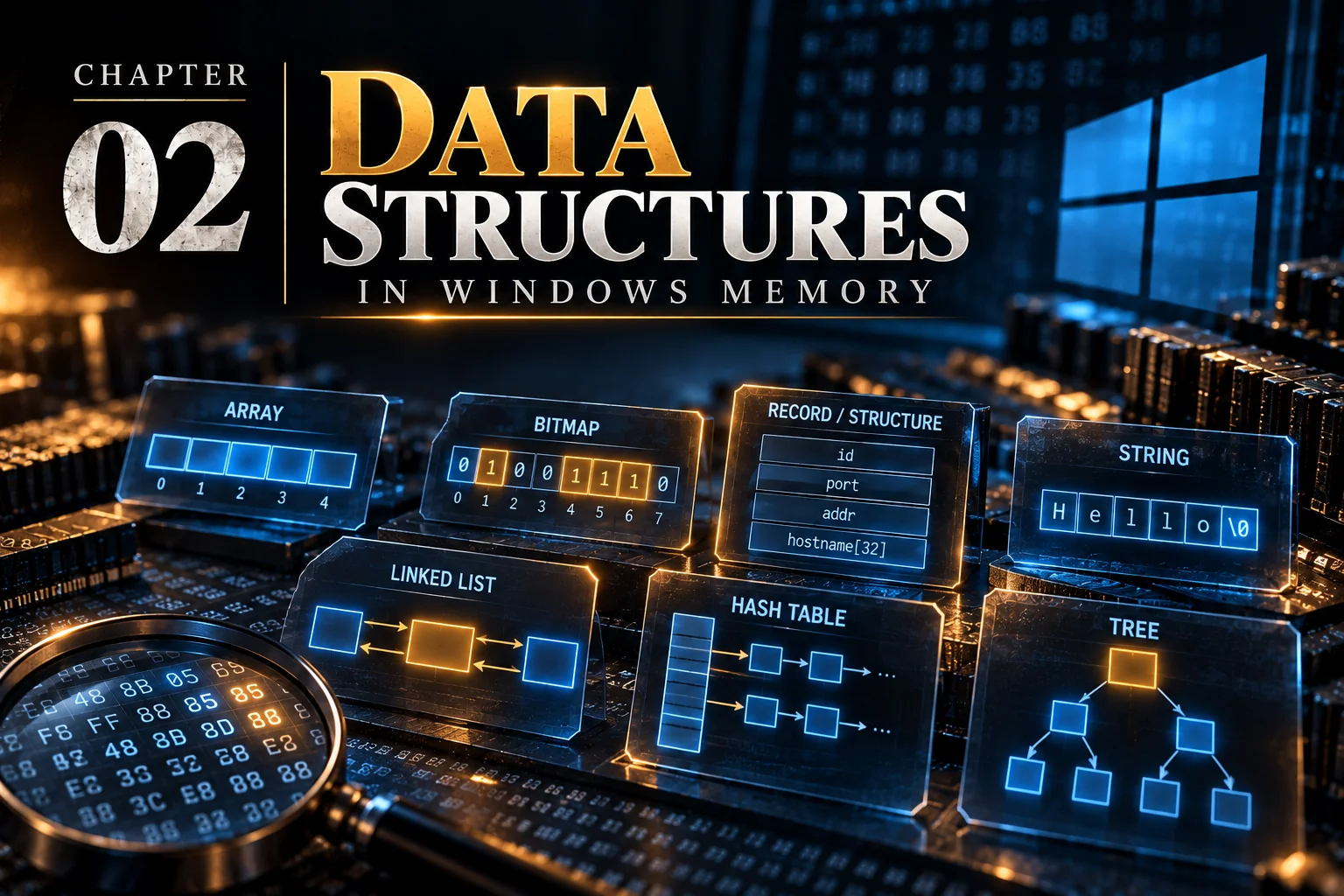
Brief notes summarizing Chapter 2 of The Art of Memory Forensics, focusing on different data structures, how they are organized and stored in memory, and how they are interpreted during memory analysis.
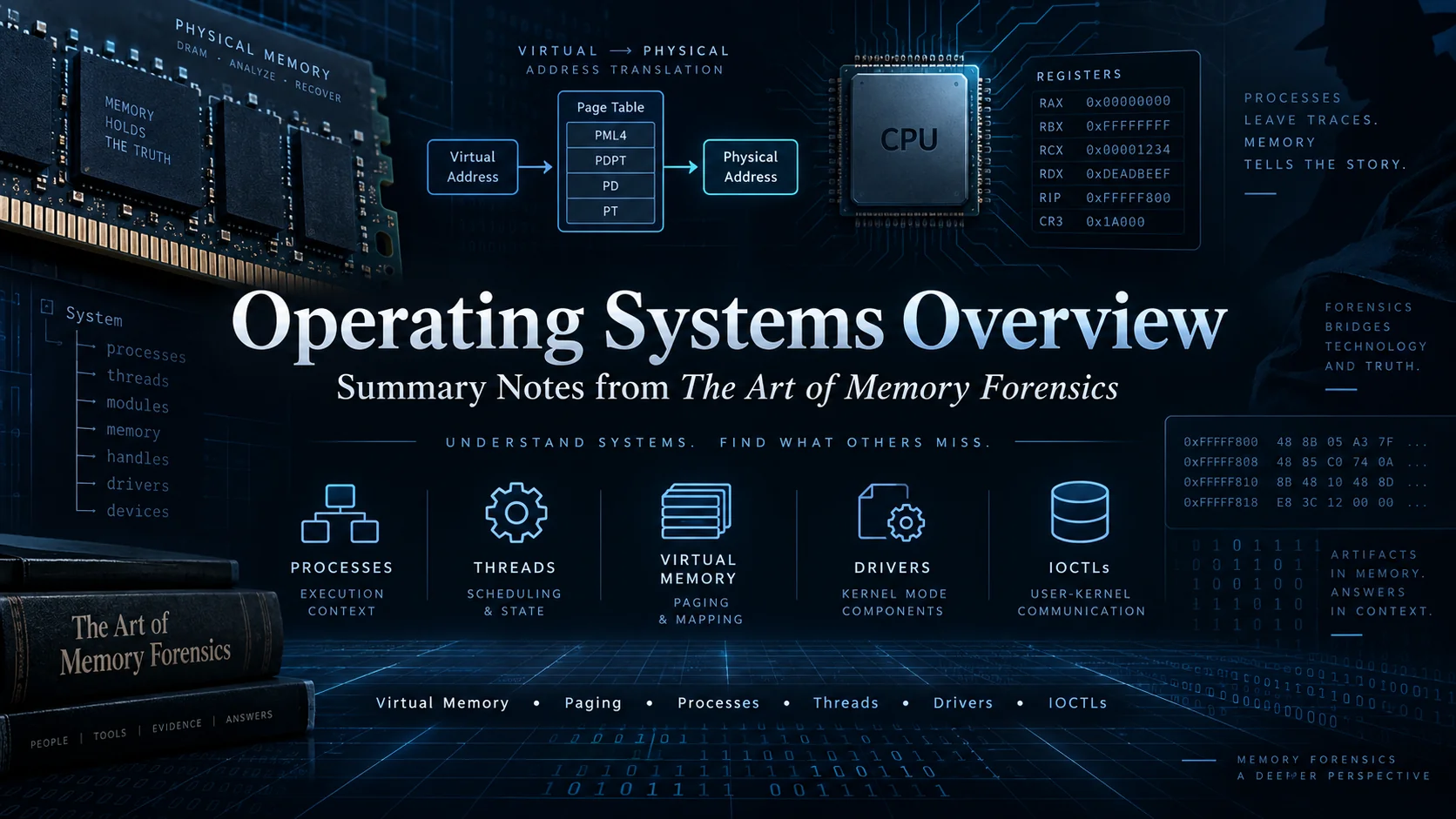
Brief notes summarizing Chapter 1 of The Art of Memory Forensics, with a focus on system overview and core operating system concepts.
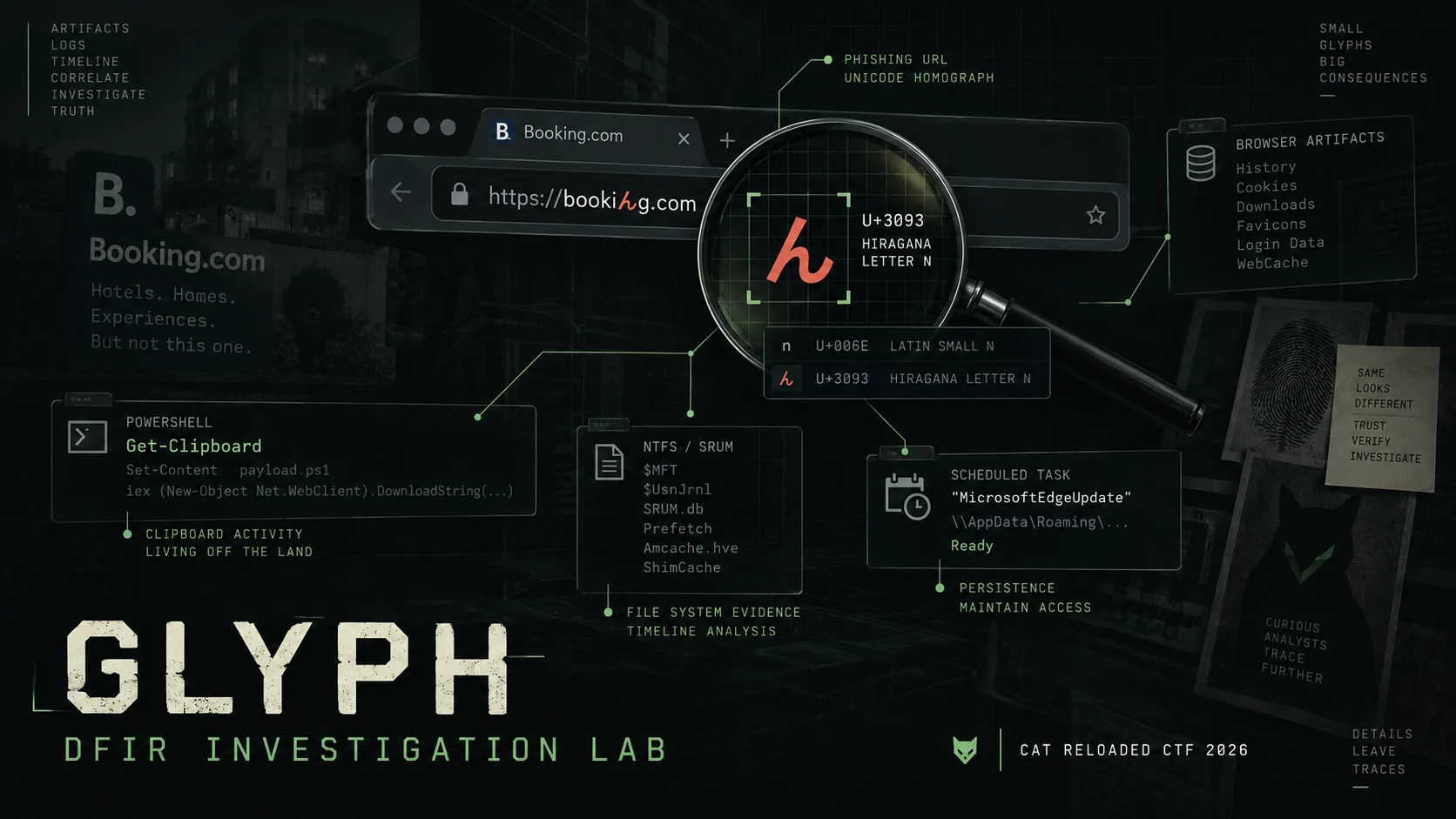
A DFIR walkthrough of the Glyph challenge, tracing a Unicode homograph phishing chain through browser artifacts, PowerShell, NTFS, SRUM, malware execution, C2 activity, and persistence.
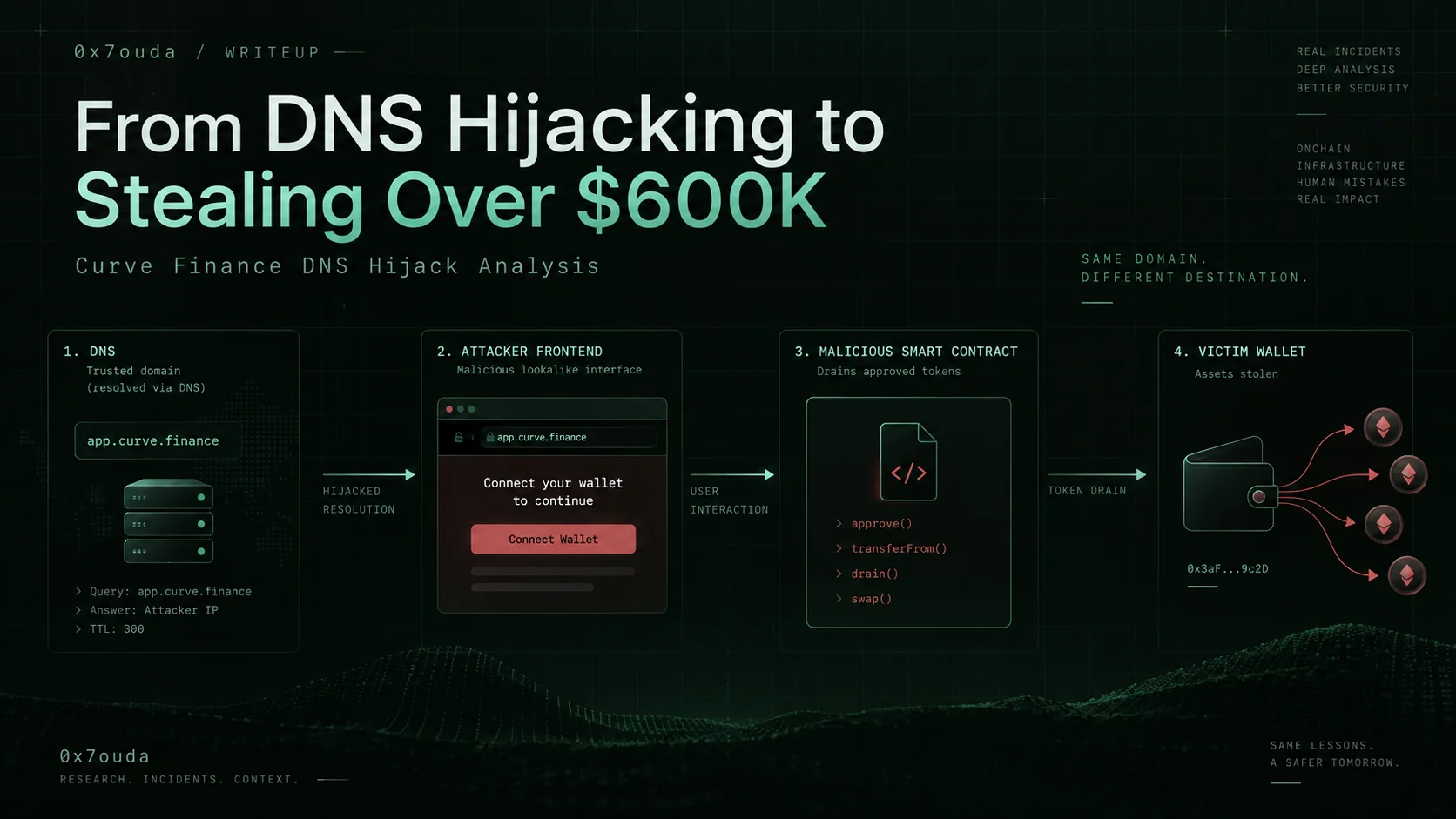
A blockchain security investigation into the 2022 Curve Finance DNS hijacking attack, tracing the malicious approval flow and calculating the stolen funds.
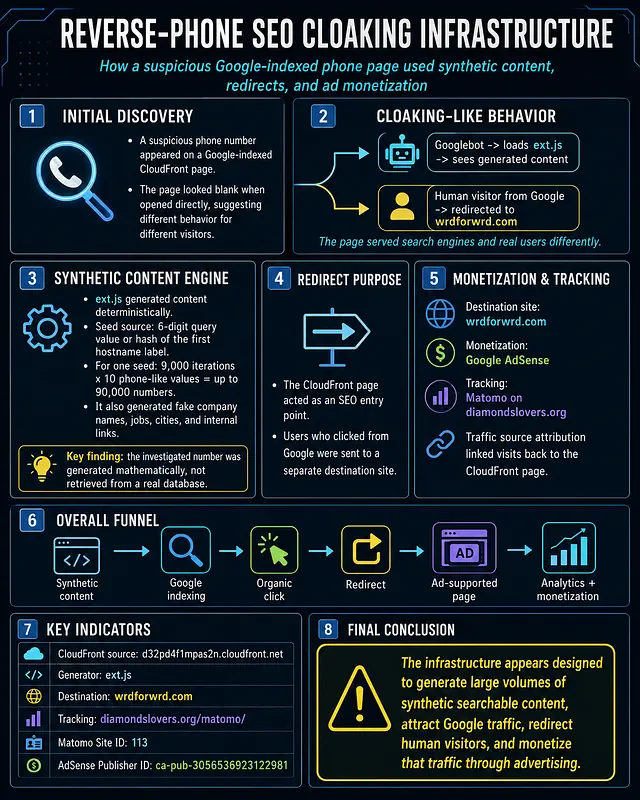
An OSINT-driven investigation into SEO cloaking infrastructure, deterministic phone-number generation, redirects, and ad-based monetization.
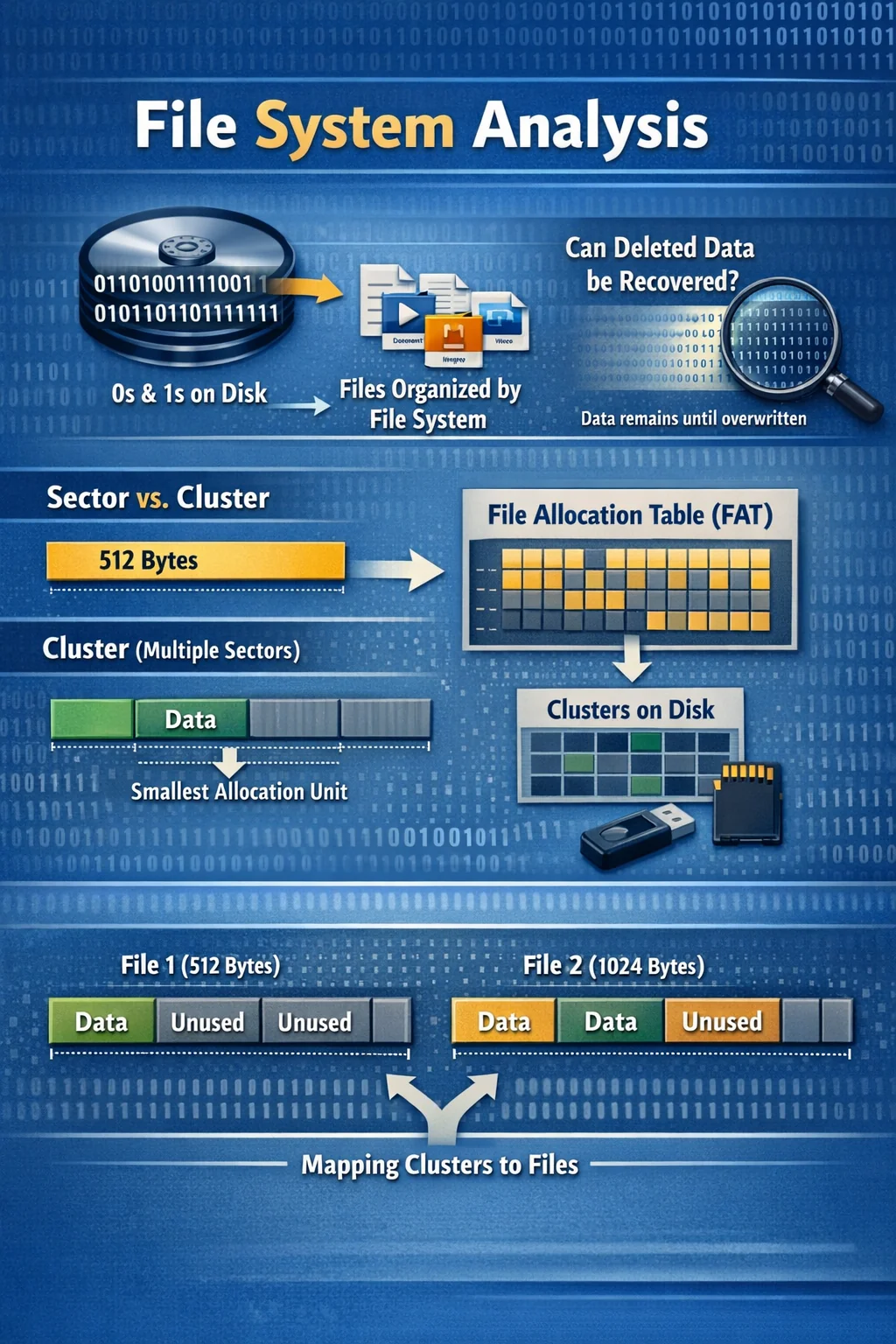
A concise guide to file system forensics, covering FAT and NTFS structures, deleted file recovery, file carving, and practical tools like SleuthKit, Autopsy, and PhotoRec.
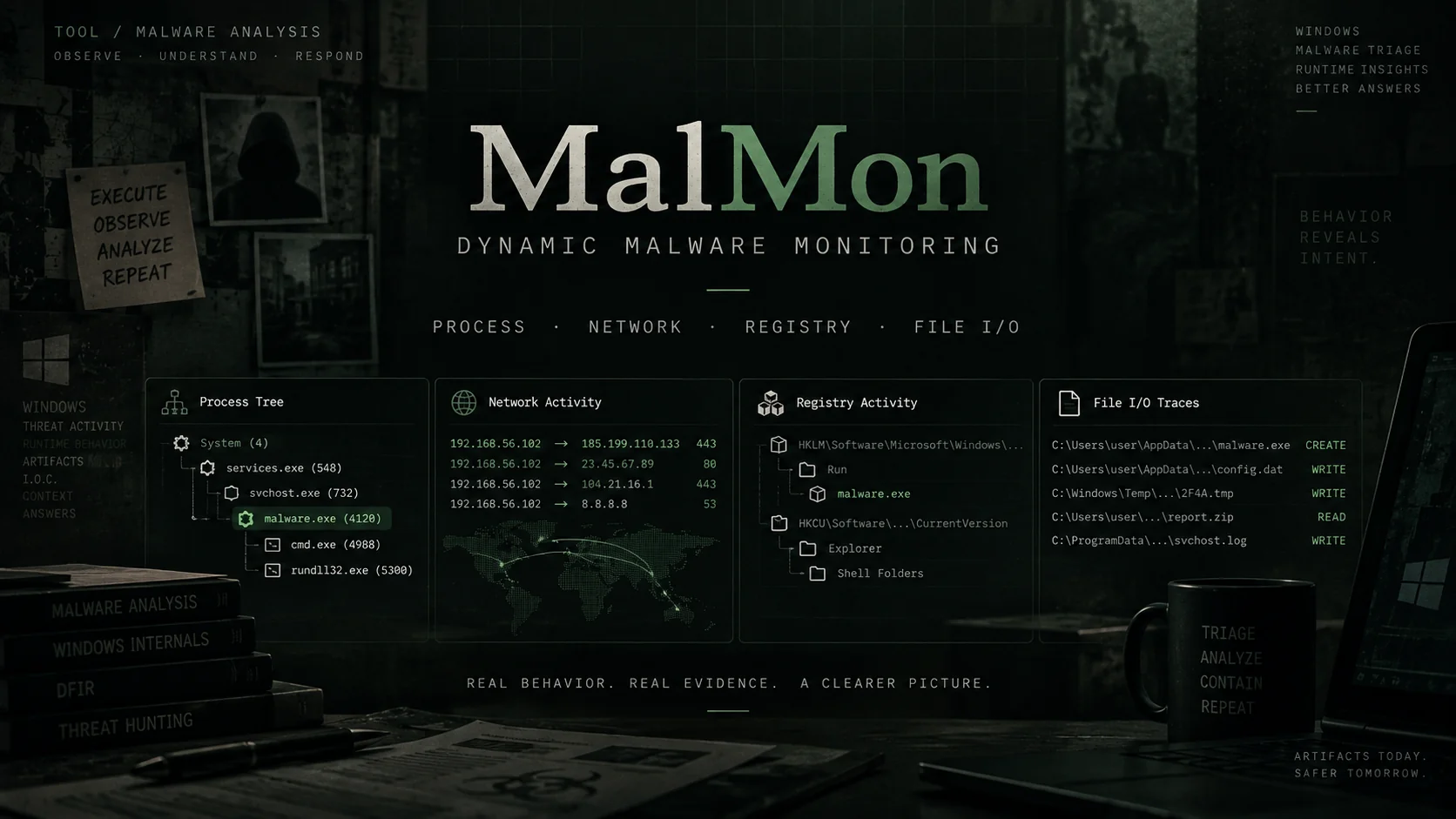
A Windows-focused dynamic malware analysis and triage tool that monitors process trees, command lines, network connections, registry activity, and file I/O, then exports structured HTML and JSON reports.
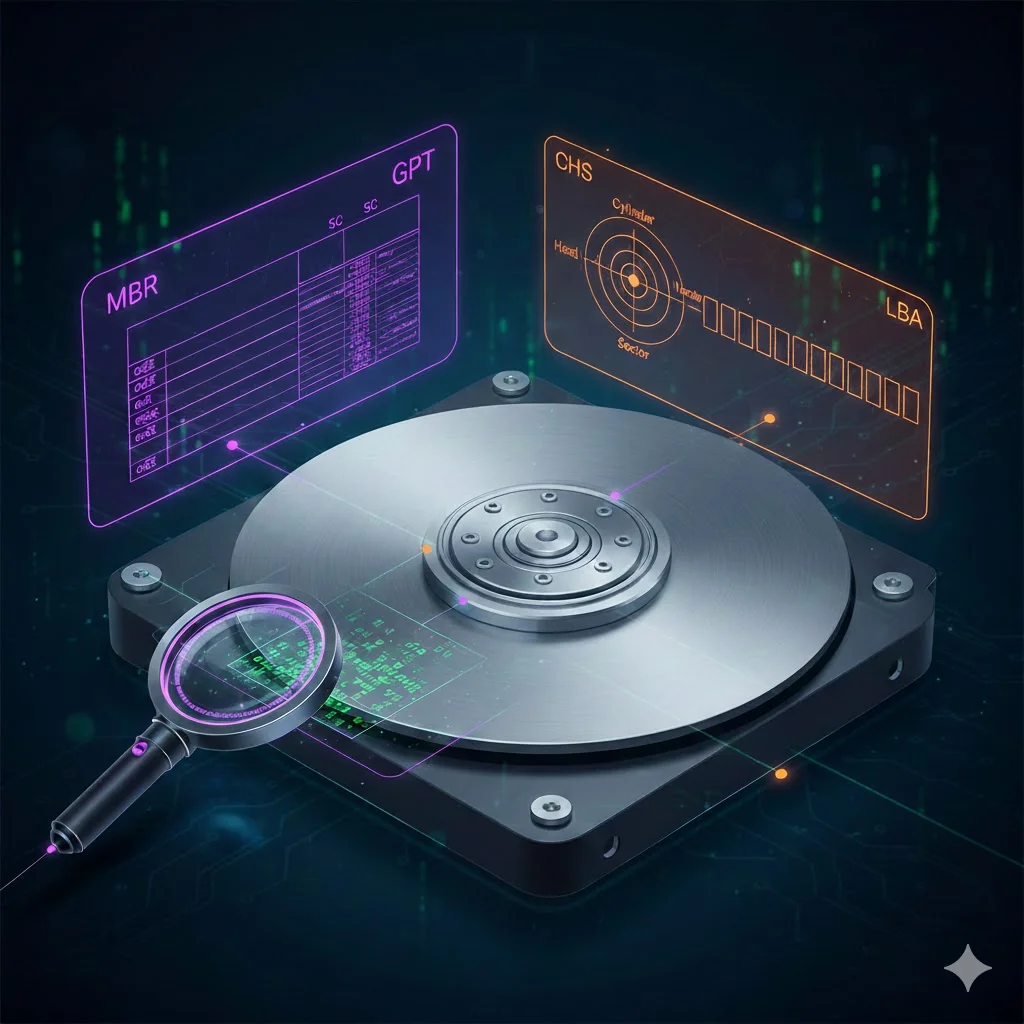
ECDFP notes covering disk forensics fundamentals, CHS/LBA addressing, MBR and GPT structures, boot records, and partition analysis with practical hex examples.
A recovered disk blew the case open. The files inside weren't theory, they were a checklist. Hours later, an unmarked matte-black drone was found half-buried in snow in Budapest,
The coordinates led police and investigator into winter, to a place far enough from everything that no one would notice if something went wrong.
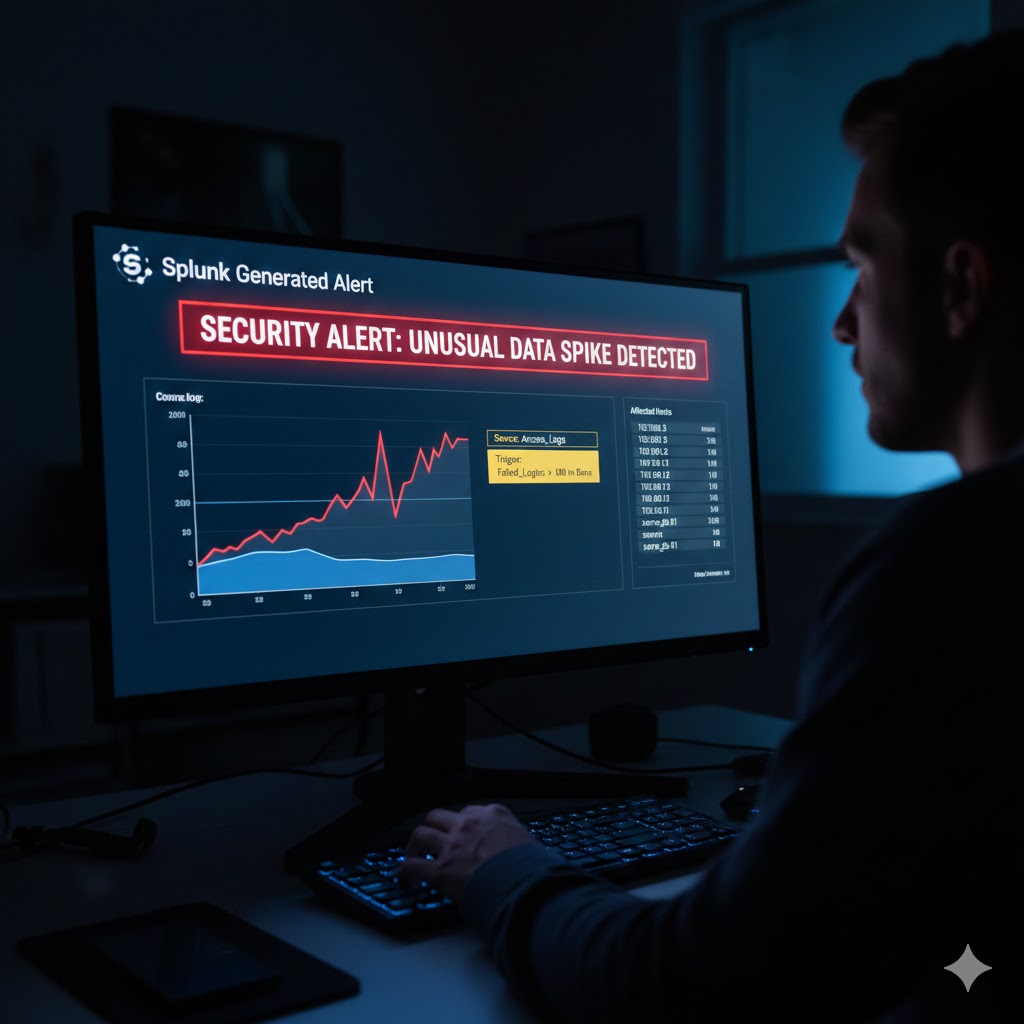
A practical SOC home lab guide to building Splunk detection rules and alerts for XSS, command injection, and SQL injection attacks.
A memory dump from a connected Linux machine reveals covert network connections, fake services, and unusual redirects. Holmes investigates further to uncover how the attacker is manipulating the entire network!